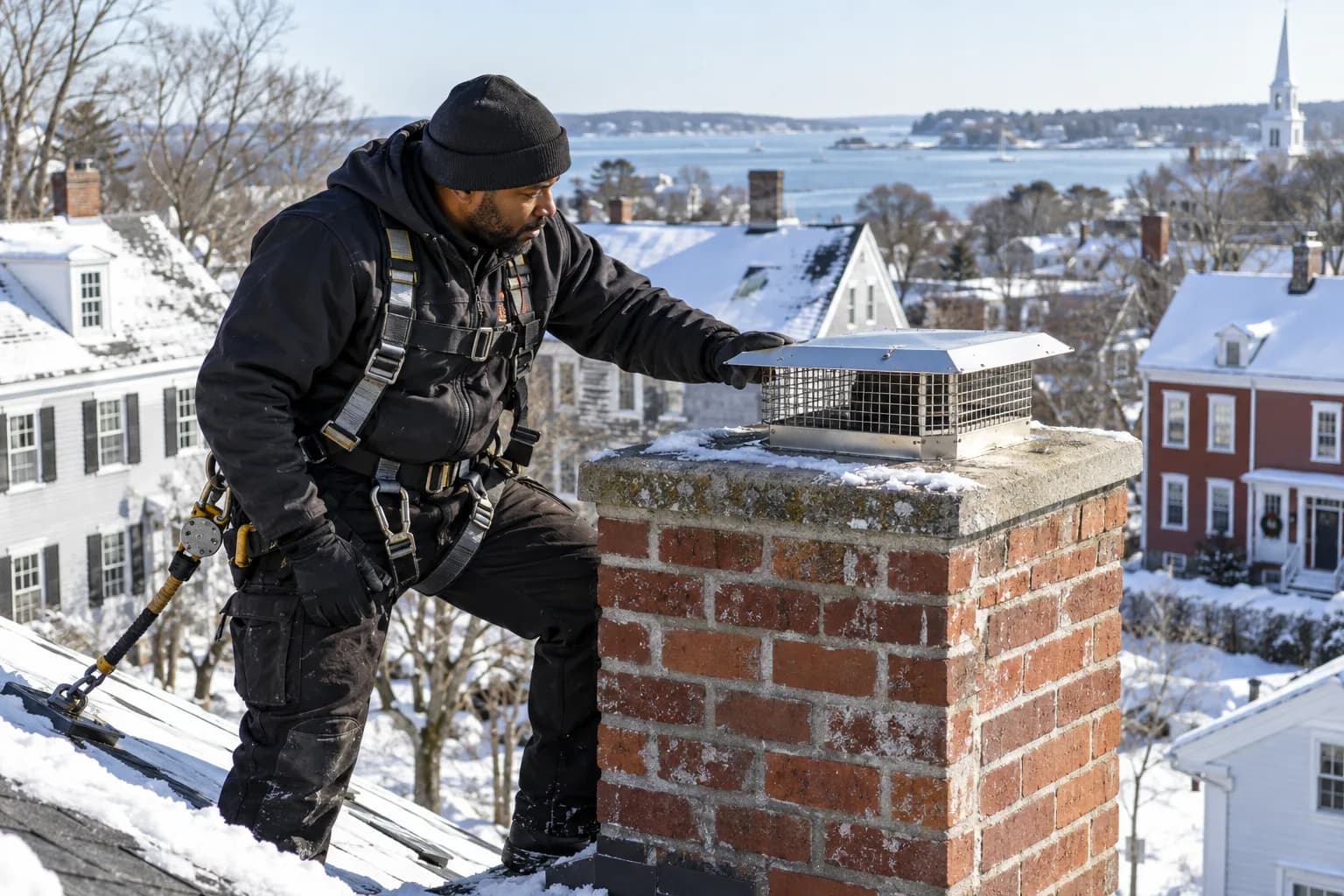
Specialist repair
What the scope should cover
Ask for the damaged area, proposed liner system, sizing basis, insulation requirements, connection details and applicable manufacturer instructions. Tile removal, access, permits and disposal can materially change the job.
What to keep after the visit
Retain the liner specification, installation documentation and inspection findings. Ask what acceptance checks are included and who confirms any permit requirement.
The question worth asking
“What evidence rules out a smaller repair, and why is this liner suitable for the appliance?”
Ask for the answer in the written scope. If the work changes after access or inspection, request a revised scope and price before approving the additional work.
Prepare without taking risks
Supply the appliance make, model and fuel along with any planned replacement. Compare proposals for the same system and scope.
Confirm appointment access, who will be present and what records to have ready. Preparation does not mean dismantling the appliance, climbing the roof or reproducing a dangerous symptom.
Compare companies for this particular job
- Confirm experience with your chimney type and appliance model. A company that cleans masonry fireplaces may not service every gas or pellet appliance.
- Ask who performs the work, what credentials apply to that person and how you can verify them with the issuing organisation.
- Check current insurance and any local licensing or permit requirements directly. A profile badge is not proof of every qualification.
- Compare access, materials, diagnostic work, disposal, exclusions and follow-up. A lower total can represent a smaller scope.
Read the detailed homeowner guide
The service brief helps you commission the visit. Our longer guide explains terminology, system differences, examples, FAQs and its supporting sources.
Read the full chimney liner inspection and repair guideSafety background: USFA, CPSC and recognised industry resources. These buying questions are editorial guidance, not installation instructions or an assessment of your home.
Take the service question to your location
Use the local guide to prepare questions about access, building history and the authority responsible for your address. The service brief is national guidance; local permits and current burn restrictions must be checked separately.